
Renaissance Architecture – Rebirth of Classical Ideals
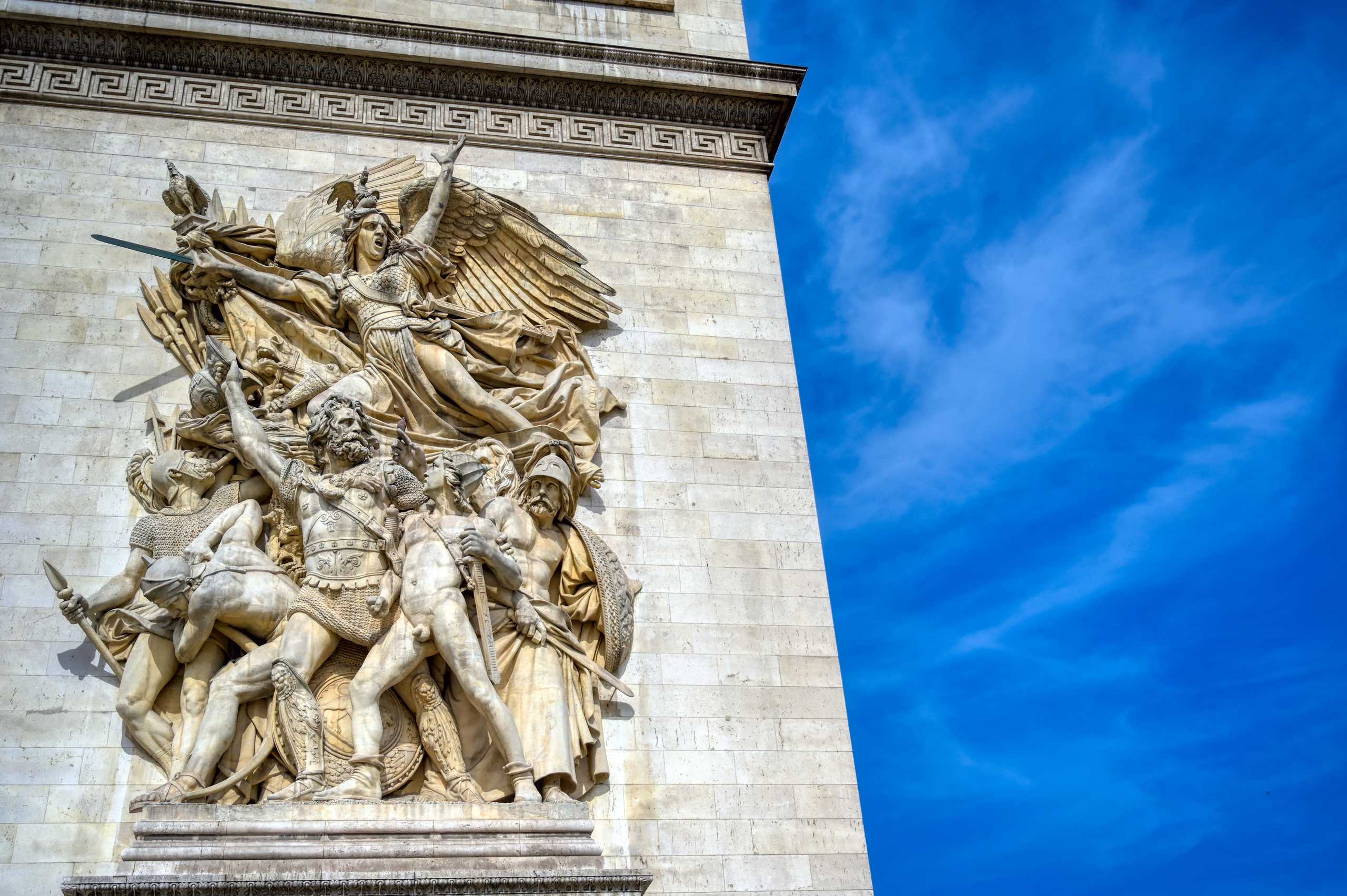
The Renaissance marked a dramatic revival of classical Greco-Roman principles, blending symmetry, proportion, and harmony with innovative techniques. Flourishing from the 14th to the 17th century, this period celebrated humanism, science, and artistic mastery, reflected vividly in its architecture.
Core Characteristics of Renaissance Architecture:
- Symmetry and Proportion: Inspired by ancient Roman structures, buildings were designed with balanced façades, harmonious ratios, and orderly layouts.
- Domes and Columns: Architects like Brunelleschi and Alberti perfected dome construction, while columns and pilasters reflected classical motifs.
- Geometric Clarity: Floor plans, elevations, and structural elements emphasized mathematical precision and visual coherence.
- Ornamentation: Decorative elements were refined, often combining sculptural details with functional design, creating visually rich yet elegant spaces.
Famous Renaissance Architects and Works:
- Filippo Brunelleschi – Dome of Florence Cathedral
- Leon Battista Alberti – Sant’Andrea Church in Mantua
- Michelangelo – St. Peter’s Basilica, Vatican City
- Andrea Palladio – Villa Rotonda, Vicenza
Cultural Significance
Renaissance architecture reflected the era’s intellectual and cultural awakening. Buildings were not merely functional; they symbolized knowledge, artistic excellence, and societal ambition. Patrons invested in these projects to demonstrate wealth, power, and enlightened taste.
Influence on Later Design
Renaissance principles shaped Baroque, Neoclassical, and even modern architecture. Concepts of proportion, geometry, and harmony continue to inform contemporary design, proving the enduring relevance of this period.
Learning Opportunities for Students
By studying Renaissance architecture, learners gain insight into historical context, structural innovation, and artistic integration. Examining classical influences encourages critical thinking and appreciation for design evolution.
Conclusion
The Renaissance was a turning point in architectural history, merging beauty with technical ingenuity. Exploring its legacy helps students understand the dialogue between past and present, inspiring thoughtful design in today’s world.